Sometimes it feels like the right thing to do to prompt children to say “thank you,” “please,” or “sorry.” We want When the Right Words Feel Wrong
Sometimes it feels like the right thing to do to prompt children to say “thank you,” “please,” or “sorry.” We want them to be polite. We want them to be seen as kind, respectful, cooperative. And often, we genuinely believe we’re helping them learn how to live in the world.
But sometimes… it might be more complicated than a child simply not wanting to cooperate.
A Rainy Day and an Unexpected Memory
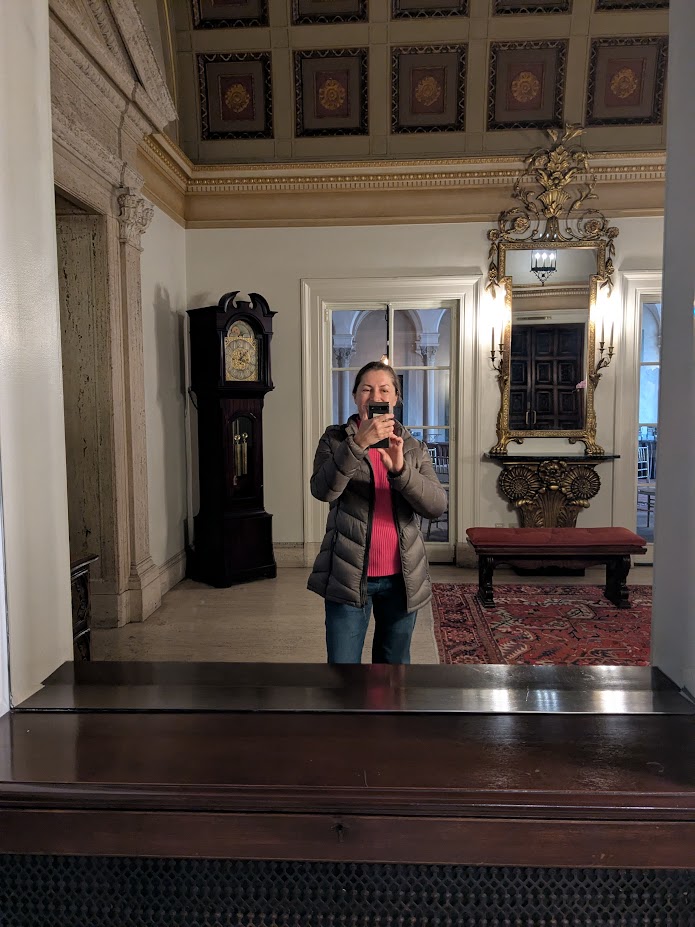
This rainy, gloomy day took Alex and me on a Caltech tour. I’ve always wanted to go, but you know how it is when something is right next to your house. Somehow it’s harder to make the time. You tell yourself, any day.
On the tour, I suddenly realized something that stopped me in my tracks: I had actually done this tour before –
35 years ago.
Oh my goodness.
Back then, I didn’t speak English at all. I barely understood what was being said. And yet, I was surprised to notice that a few facts had stayed with me all these years, quietly tucked away.
Being Told to Say “Thank You”
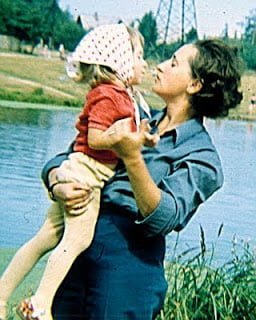
On that first tour, I was pushing a big, clumsy stroller with my baby inside. At one point, a Russian woman very strictly asked me:
“Do you know how to say spasibo (thank you) in English?”
I said yes: “Thank you.”
She replied,
“You need to say it every time someone opens the door for you or helps you with the stroller.”
I wanted to be polite. I really did. But it felt so awkward, almost fake, saying it not in my own language, not from a place that felt true inside me.
Even now, decades later, I still think about that moment.
What If Children Feel This Too?
I wonder if young children sometimes feel something similar when adults prompt them to say “thank you” or “sorry” before it feels authentic.
What if their hesitation isn’t defiance?
Maybe it’s not rudeness at all.
What if it’s discomfort, uncertainty, or simply not being ready yet?
When we rush children to say the “right words,” we may unintentionally prioritize performance over meaning. The words come out, but the feeling hasn’t caught up yet.
And children feel that gap.
Built Slowly, Not on Demand
Today, Alex and I walked through the beautiful historic part of Caltech and learned about its early days. The institute began in the early 1900s, and some of the earliest buildings didn’t survive earthquakes or later rebuilding. The oldest existing buildings on campus date back to the late 1910s.

The architecture is stunning, graceful, intentional, full of small details that quietly reference science and technology everywhere you look. Nothing feels rushed. Everything feels considered.
It struck me how much this applies to children, too.
Authentic gratitude, genuine apology, and real consideration for others, these things are built over time. Slowly. Through experience, modeling, and feeling understood – not through pressure.
A Gentle Reminder
A rainy day, a walk through time, and a full-circle moment I didn’t expect at all. 💙
And a gentle reminder: sometimes the most respectful thing we can do for children is to wait — and trust that the words will come when they’re ready to mean them.
With your guidance and calm presence, children will learn to be aware of their needs and feelings in the moment. These everyday experiences become their lessons in kindness, empathy, patience, and morality.
Let me know if you’d like more information about RIE® Parent-Infant Guidance™ Classes.
Wishing you all the best on this challenging but beautiful journey of parenting!
Warmly,
Teacher Kira