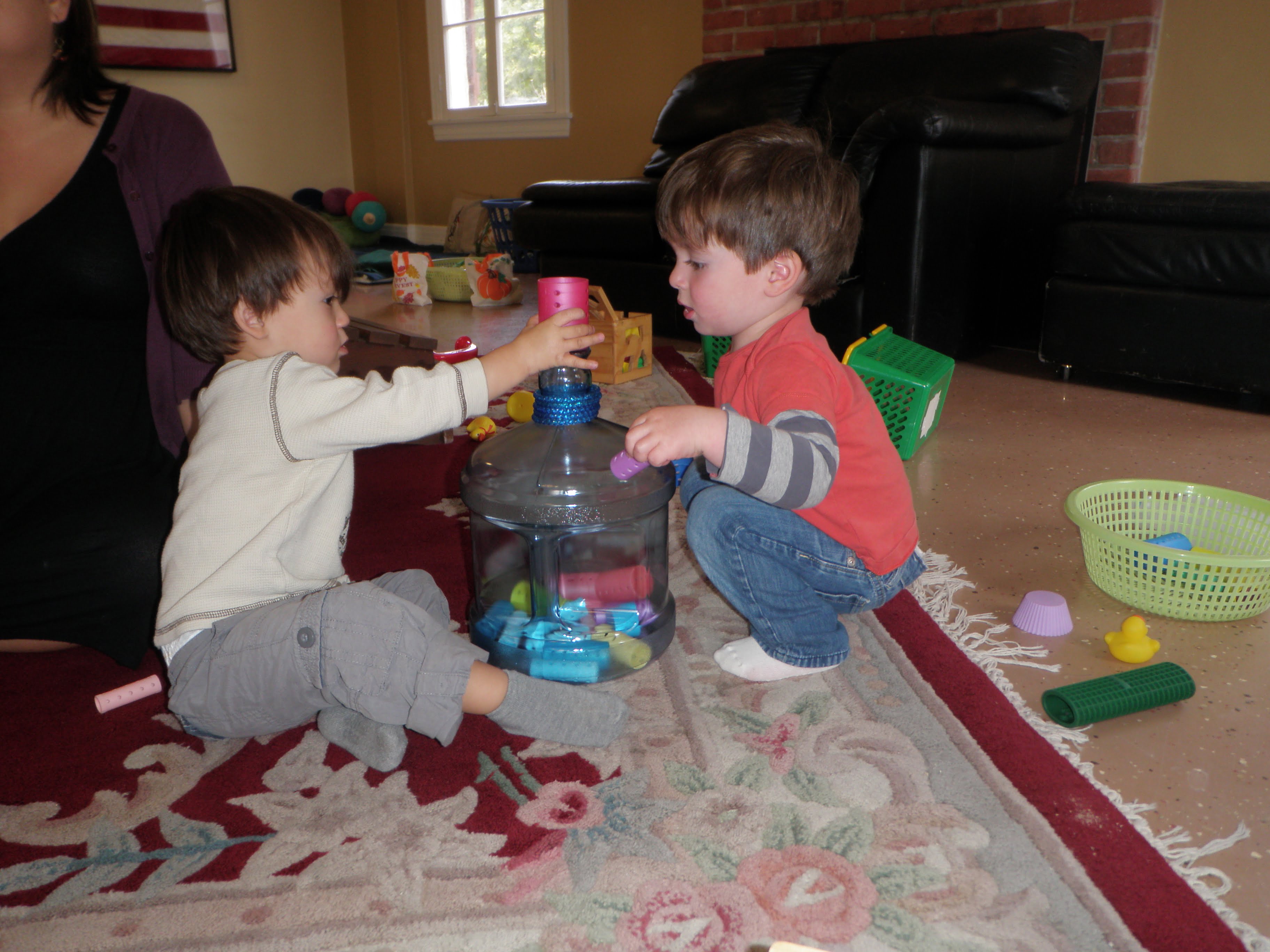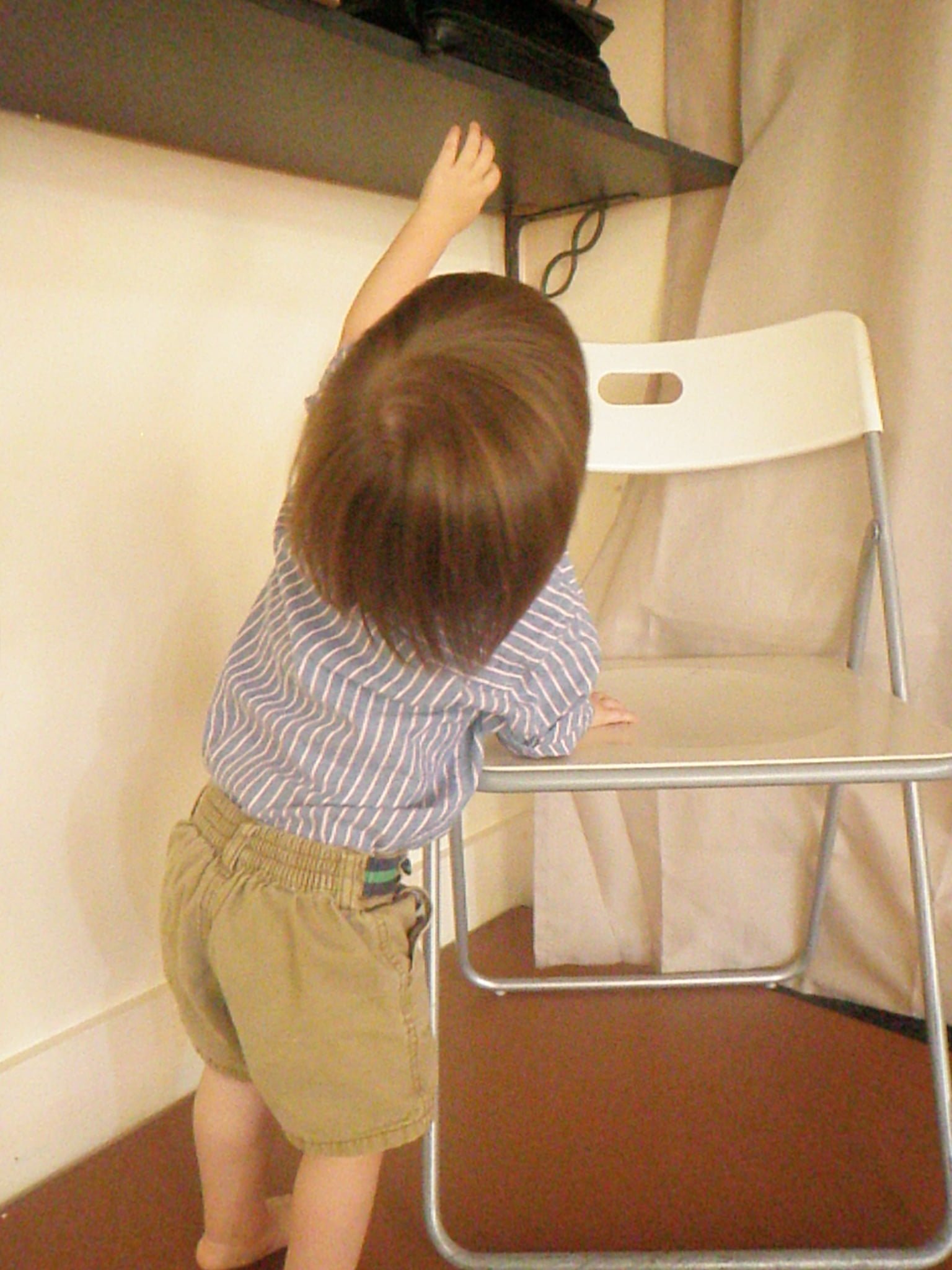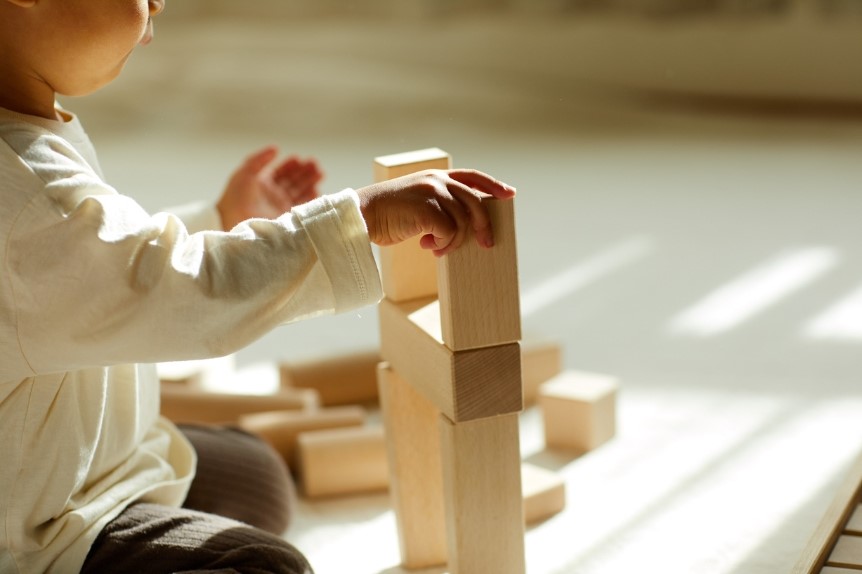
Katie sat on the floor in the building area. Nearby, two children were fully engaged in their play. The atmosphere was calm and focused. Susie was building with large blocks, carefully balancing small flat pieces on top and decorating them with tiny cylinders. Eventually, she decided to add animals to her complex structure.
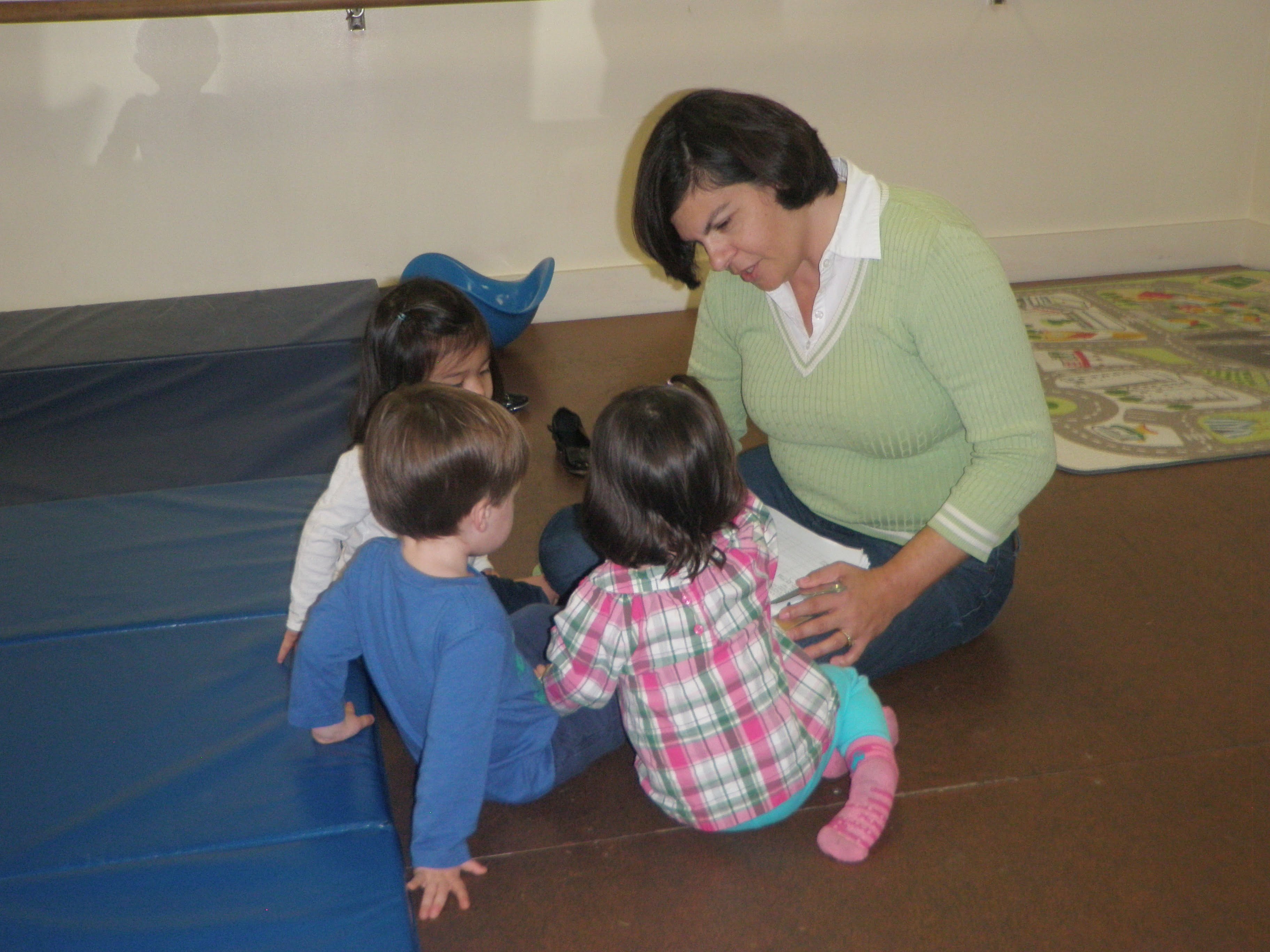
At that moment, Katie noticed a group of younger toddlers approaching, curious about what was happening in the building area.
Katie said aloud, “It looks like other children are coming to see what we are doing. It’s getting crowded in this area. I wonder what plan they have.”
She added, “I wonder if I should take a picture of your project…” and then snapped the picture.
As Katie continued observing, she noticed a few key things: Susie was very invested in her project, she was ready for more complex play than the younger children, and the toddlers might accidentally knock down Susie’s building.
Sure enough, a few moments later, the toddlers knocked over Susie’s castle. Naturally, Susie was upset—who wouldn’t be?
What Can Be Done in This Situation:
Katie used a simple but powerful approach based on Dr. Bruce Perry’s “Regulate, Relate, Reason” model—a trauma-informed framework for helping children feel safe and supported before problem-solving.
1. Narrate:
First, Katie could let Susie know that the area was getting crowded and her building might get knocked down.
2. Regulate ➡️
Then, Katie supported Susie in regulating her feelings by staying close, making eye contact, breathing slowly, and listening attentively. If Susie wanted, Katie could also offer a hug or gently touch her back to provide comfort.
3. Relate ➡️
Next, Katie acknowledged Susie’s feelings. Also, she said, “You know, I took a picture of your castle. Do you want to see it? Here it is— in the picture.”
4. Reason ➡️
After that, Katie asked, “I wonder what plan they have. What do the children who joined us want to do? Should we watch?”
As they watched together, Susie and Katie noticed the toddlers using the same materials to build upright blocks. Katie could have suggested that Susie rebuild her castle in a safer area away from the crowd; however, in this situation, it wasn’t necessary. Instead, they both became invested in observing and enjoyed the connection over this shared experience.
Without an adult’s guidance, this situation could have gone very differently. For example, someone might have scolded the toddlers for knocking over the building. Susie might have been told to stop crying because “it’s not a big deal.”
Instead, Katie turned the situation into a teachable moment by narrating, regulating, relating, and reasoning. As a result, Susie felt understood, and all the children learned valuable lessons about empathy and problem-solving.
Wishing you all the best in this difficult yet exciting journey of parenting!
Let me know if you need more information about RIE® Parent-Infant Guidance™ Classes.
Warmly,
Teacher Kira