Please share your experiences and thoughts.
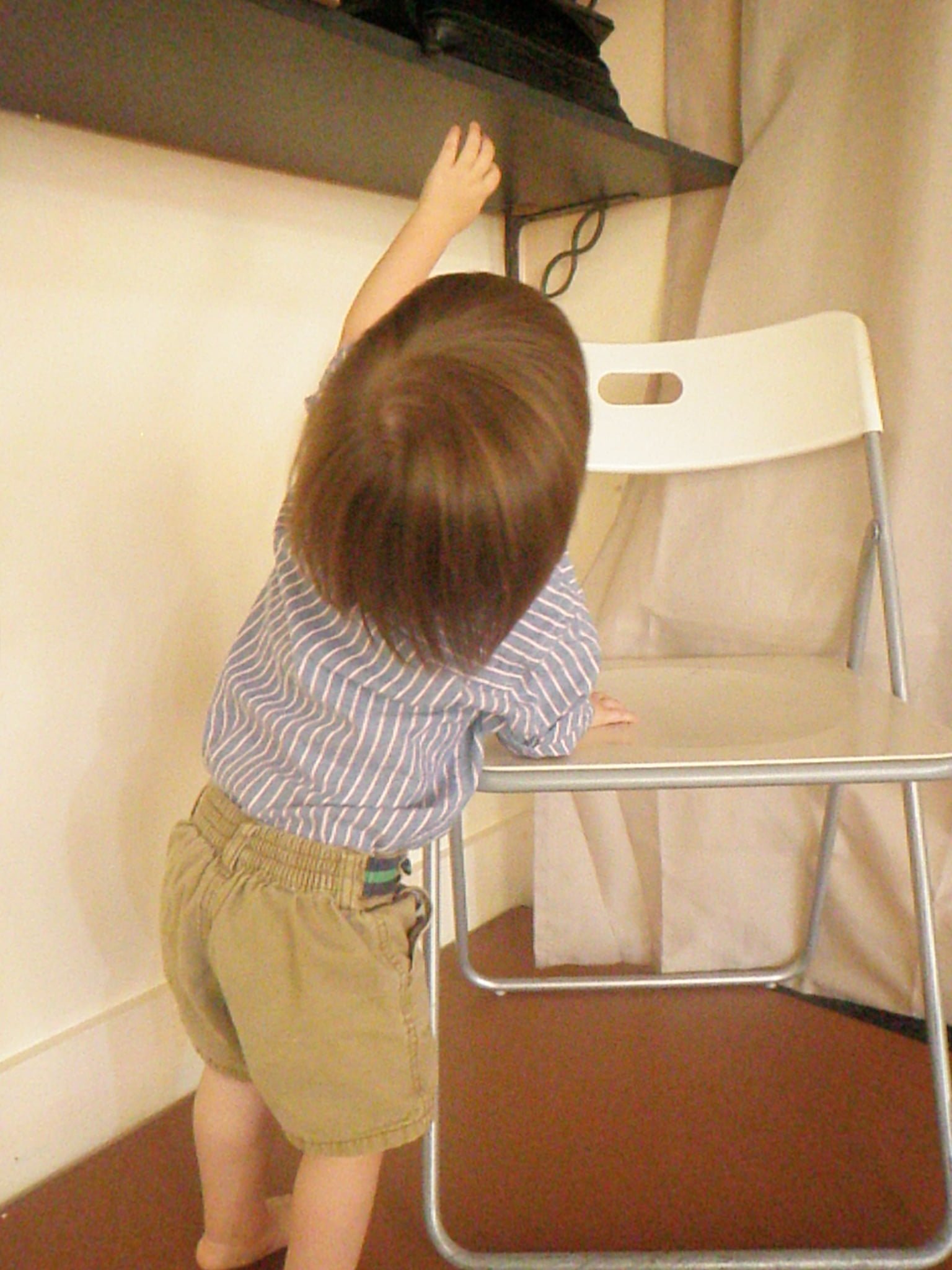
There is a child, 4 years old. He highly values routine and predictability.
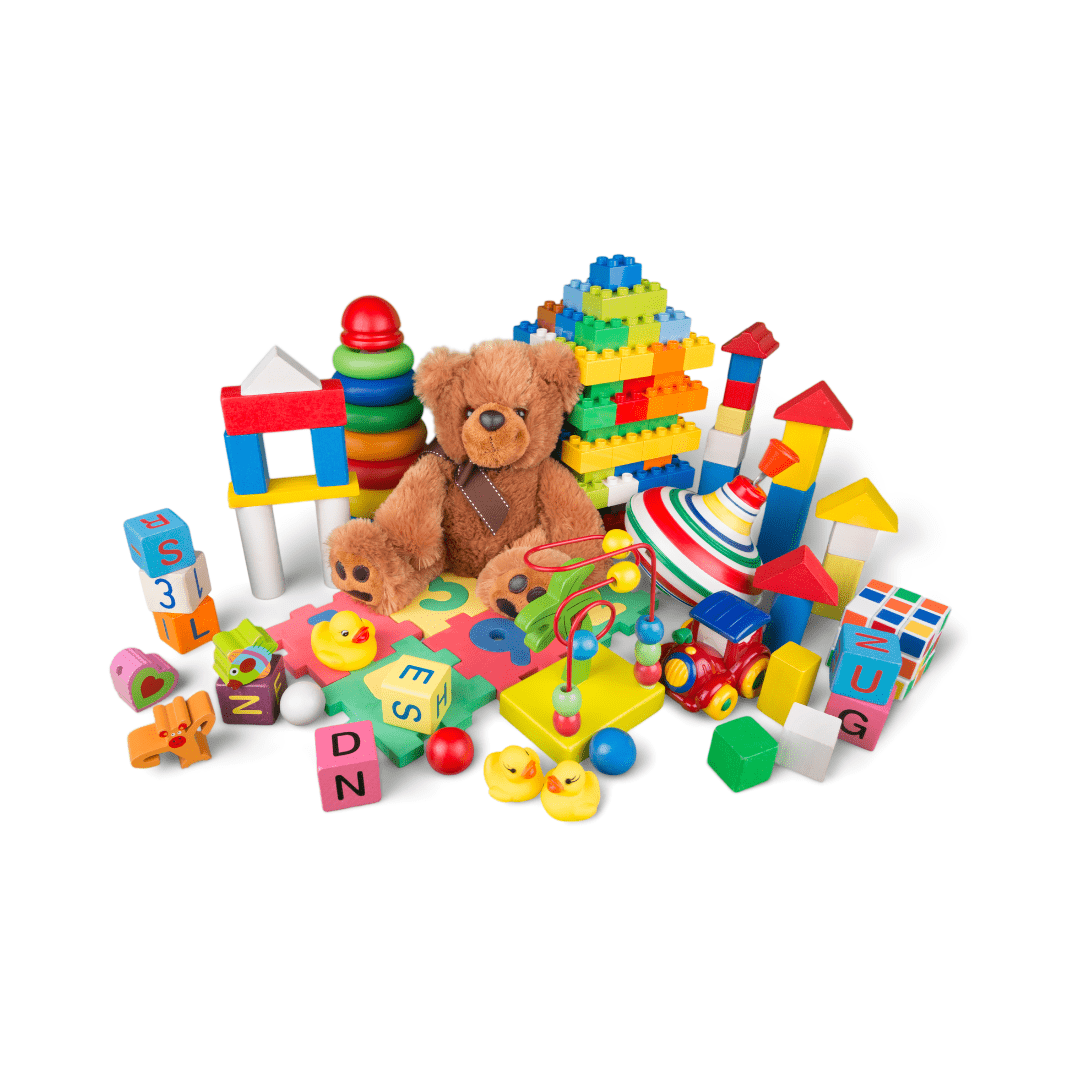
The problem: he has outgrown many of his toys, but won’t let us put them away. He now plays with more age-appropriate toys, while his “baby toys” (the ones he played with until about age 3.5) are just sitting there and taking up space.
Any attempt to replace them with toys he actually plays with ends in tears and screaming about how much he needs his old toys. The new toys, however, can be placed next to them, on the floor—anywhere (he always finds a place for them).
This doesn’t work for me.
How can I help him say goodbye to his “baby toys”?
Common Suggestions (and Concerns)
1. Hiding the toys when the child isn’t looking
A very tempting idea. Yesterday I was sorting through the garage, and oh, how I wanted to throw away a couple of my husband’s “unnecessary” things. That’s not something you can do. Anything we do secretly undermines trust, and a side effect is increased anxiety.
2. Giving the toys to “other” children
Younger ones, an orphanage, a hospital. In general, it’s a good idea – giving something away is often easier than just throwing it out or donating it. But if the child still doesn’t want to give them away, imagine the heavy sense of guilt we place on him: “You’re not kind,” “You’re not good,” “You don’t want to help poor children.”
3. Waiting until the child grows up and gives them up on their own
At first glance, this seems like the “gentlest” idea. But living with a large number of items in a room, with constant visual “noise,” often increases anxiety, reduces concentration, and limits opportunities for independent play, which is especially important at this age. So an excess of items interferes not only with parents but with children as well.
So What Can Be Done?
1. The Purpose of the Behavior
Start by asking what needs lie behind the child’s desire to change nothing and keep all the toys in place.
Often, this is how a child copes with anxiety and meets a need for predictability in their environment. That’s why I would start not with clearing toys, but with reducing anxiety.
This can include:
- Various relaxation and tension-release games (for example: “cooked/raw pasta,” “broken doll,” “turtles,” “save the chick,” “grow roots,” “hug yourself,” “portrait”)
https://www.eti-deti.ru/pazvit/94.html - Breathing games (“soap bubbles,” “blow the feather,” “little dragon,” “don’t let the ball fall”)
- Sensory integration games (“I see, I hear, I smell, I feel”)
- Creating a daily schedule together. This reduces anxiety related to uncertainty and meets the need for predictability. It’s important that the child has influence over some parts of the schedule and real choices.
- Once the child is comfortable with the schedule, introduce a “surprise” event. Start with something small and pleasant that your child definitely enjoys. This helps prepare them for changes and unexpected events in life.
- Rituals, habits, traditions, and routines help reduce anxiety. Having your own family traditions is beneficial for any family. This could be a special way of saying goodbye or a bedtime routine.
- Special objects can also help reduce anxiety: for example, a stuffed animal for sleep, a baby lovey, a dream catcher. It may even help to say that these are special toys that help the child feel more comfortable and safe.
2. What Other Needs Might Be Behind “Don’t Touch My Toys”?
Does your child have access to grown-up items?
How often do adults say to him: “don’t touch,” “move away,” “this is only for adults”?
And how many such prohibitions does the child hear throughout the day?
Try this game: count how many times you say “yes” to your child and a genuinely joyful YES!, not a reluctant “yes… fine, go ahead…”
It may make sense to look at areas where we can give the child more choice and more control.
3. Now Let’s Talk About Parents
What need lies behind the desire to get rid of these toys right now?
Don’t rush to say “we need free space” or “we need order!”
As you remember, we’re discussing this situation without knowing all the details, without knowing the individual characteristics of the child and family, and without direct observation. So it may turn out that the problem isn’t actually about the toys at all.
4. Start With Yourself
Begin by decluttering your own space.
Buy some beautiful, convenient boxes and tell your child that you’re taking part in an interesting game: a “15-minute marathon.”
Put into boxes the things you don’t use often:
- some you’ll get rid of,
- some you’ll keep for memories,
- and some you’ll store away because you use them very rarely.
Talk out loud to your child about what you’re doing, why, and for what purpose. We raise children first and foremost through our own example.
5. Involve the Child in the Process
It’s quite possible that when you get to the child’s room, your child will want to join your project.
Start with the toys the child currently loves to play with – gather them together. Buy nice boxes or shelves and first organize what the child uses often so it’s easily accessible.
Consult with the child. Offer a choice between 2–3 options.
Then let the child select what they use rarely and, separately, what is “very dear as a memory.” Start by putting these into boxes, without raising the issue yet of having to “get rid of” anything.
Before long, the time will come to say goodbye to the “baby toys.” At first, you’ll compactly pack them together. Later, you can move them to the garage or storage. It can be transitional before letting them go. It will improve energy and organization in the room for sure, and it might give time to process before the transition.
When it comes time to give the box away, it’s important to talk through emotions without drama or exaggerating sadness about the separation, but also without ignoring the sadness that arises.
6. Photos: BEFORE and AFTER
During the process, take BEFORE and AFTER photos – for each shelf.
You can even make a whole album out of these pictures.
7. Social Story
Write a social story about the favorite toy and make it into a little book. You can create it together. You start, the child continues; write down their words and illustrate the homemade book with photos.
Parents can also separately write a social story titled:
“The Toys I Loved to Play With…”
You can illustrate it with photos of your child from infancy at 6 months, one year, two years, and, of course, photos of those toys.
More inspirations for Social Stories Here
8. Don’t Be Afraid of Tears
I’ve written a lot about how important it is to first understand the problem, to work through its roots, and to hear what’s behind it. Then about the need to give time and support.
And still, in the end, it may turn out that the child cries while packing away toys.
Our goal is not to avoid tears and discomfort, but to help the child experience disappointment and process the situation.
It’s important for the child to see that mom knows what she’s doing, is confident that this will be better for everyone in the family, and does not feel guilty about these changes.
I really like how Janet Lansbury compares a parent to a wise company leader someone who is ready to listen to everyone and also ready to make a decision.
By showing respect for a child’s opinion, we are laying the foundation for self-respect and respect for others -starting today.
Lyudmila Petranovskaya writes:
“Don’t want your child to ‘fall under bad influence’ at an older age? Then try to make your attachment with them reliable and strong, so that they are confident they can rely on you. Be a dependable source of protection and care in any circumstances. Then your values will form the foundation of their personality, and you will remain the most authoritative people for them even years later. Nature is on your side. The main thing is to play your part properly.”
I run a Facebook group named Organized Home — Clean Mind. It is a very low-key, cozy group where we support each other to let go of things and de-clutter.
https://www.facebook.com/groups/533856206626111/
I wish you all the very best in the difficult, but important and wonderful work of raising children.
Kira (Teacher Kira)