I remember the first time I signed up to present at a conference in 2008. Of course, I was overwhelmed with emotions and a flood of new information, but one particular moment truly stood out.
My topic was “Conflict Resolution with Preschoolers.”
We talked with teachers and parents about the importance of adults intervening less and observing more. And when intervention is necessary, doing so not to solve the problem for the child, but to support and guide them. We also talked about trust—trusting the children and their natural ability to grow through conflict.
Teachers listened attentively, took notes, and nodded. Then one brave person raised their hand and asked:
“…But how are children going to learn to distinguish right from wrong, good from bad, kind from unkind, moral from immoral—and how will they learn to share their toys?”
That question has stayed with me. It’s a common concern, and a valid one.
So, how do children learn these important things, especially if we don’t enforce, lecture, punish, or praise?
Let’s start this list together. Feel free to add your own experiences.
1. Relationship with the Child
I strongly believe that relationships and connections are some of the most important keys. Children naturally want to cooperate with someone they love and trust. It’s meaningful to them when they feel a strong connection with you.
When a child feels safe and connected, it’s much easier for them to listen and make kind, thoughtful choices.

2. Modeling Behavior
When we are kind, when we show empathy to someone who is hurt or feeling sad, children learn to do the same—just by watching us.
This is far more effective than giving advice or lectures. We all know that saying, “Don’t do what I do, do what I say”—and we also know it doesn’t work.
3. Our Response When a Child Offers Us a Toy
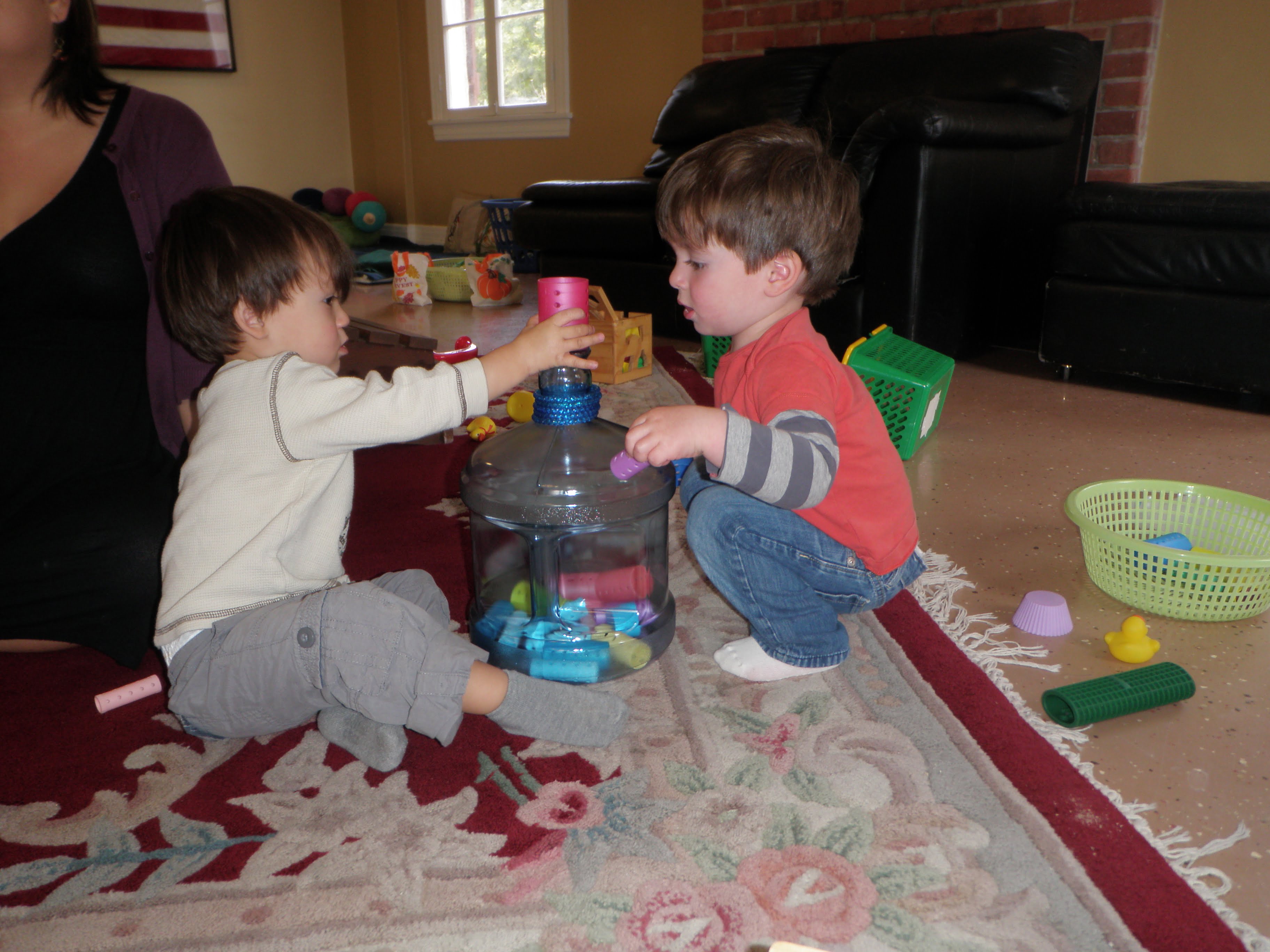
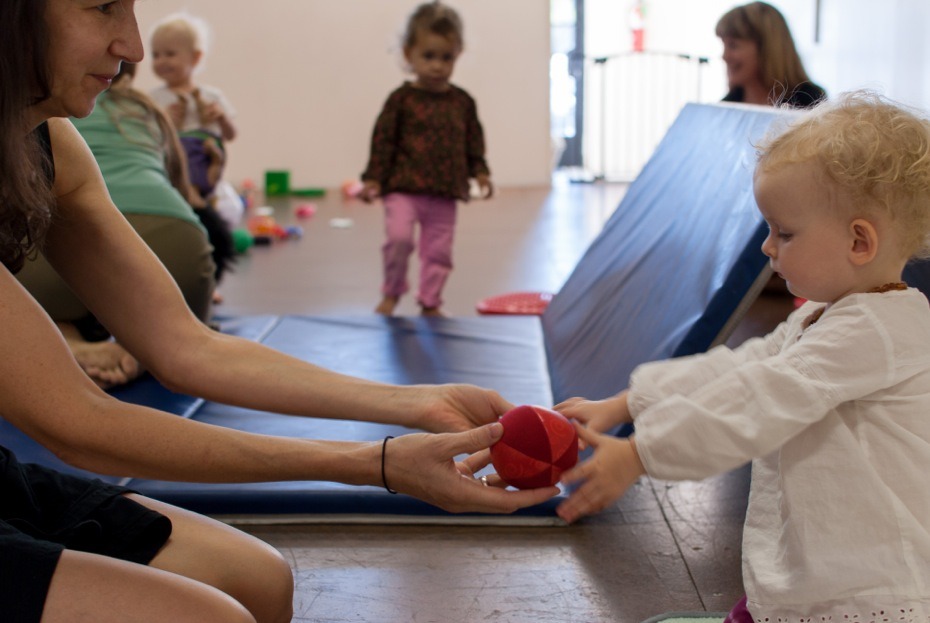
Today, I was observing two 14-month-old children playing. One child brought me a ball and offered it to me. I was touched by his trust. My eyes lit up, I smiled, and said, “Thank you.”
He smiled back and then went to get balls for everyone in the room. That’s how sharing begins.
4. How the Other Child Responds
When Olivia offered a doll to crying Rita, she saw that her action made Rita feel better. Children learn from each other, too. They notice the effect of kindness.
5. Allowing a Child Not to Share
We can support a child by saying:
“You can tell your friend that you’re not done,” or “You can give it to him when you’re ready.”
This helps them learn boundaries, communication, and choice. Sharing isn’t meaningful if it’s forced.
6. Offering Choices in Everyday Life
“Do you want to wear the blue shirt or the red one?”
“Would you like to read a story first, or brush your teeth first?”
When a child sees they have some control in their daily life, they begin to understand they can also have control over their emotions and actions.
With your guidance and calm presence, children will learn to be aware of their needs and feelings in the moment. These everyday experiences become their lessons in kindness, empathy, patience, and morality.
Let me know if you’d like more information about RIE® Parent-Infant Guidance™ Classes.
Wishing you all the best on this challenging but beautiful journey of parenting!
Warmly,
Teacher Kira